Death Zone V
Fighting in the mountains in Afghanistan
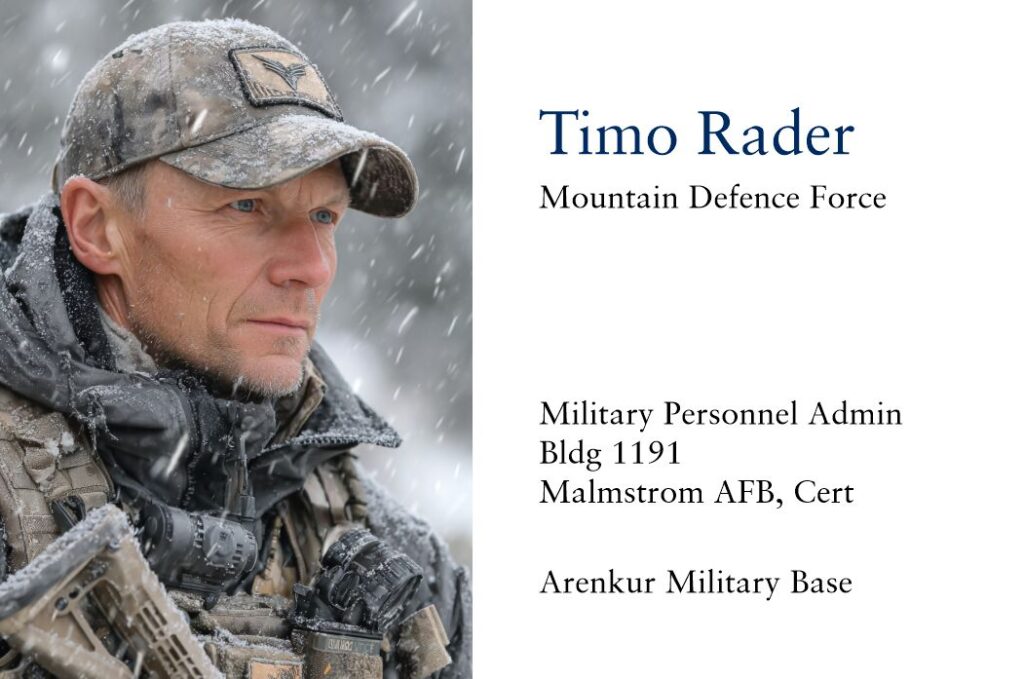
A guest post by Captain Timo Rader
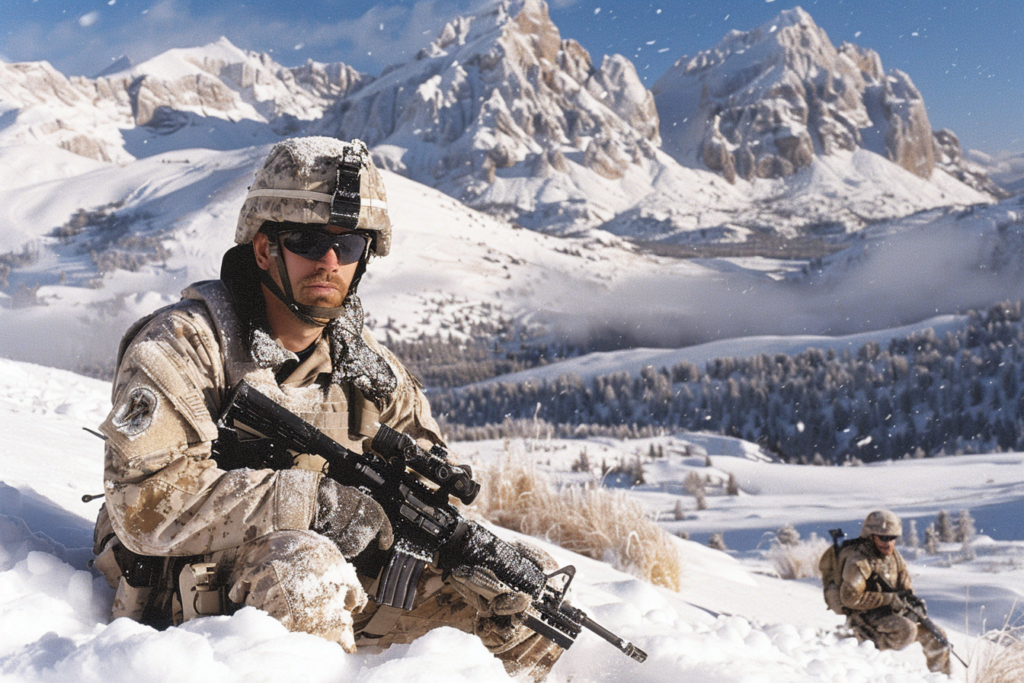
The U.S. Army faced significant challenges during its operations in the mountainous regions of Afghanistan, where the rugged terrain and high altitudes played a critical role in shaping the conflict. Afghanistan’s landscape is dominated by the Hindu Kush mountain range, with peaks soaring over 20,000 feet, creating a formidable environment for military operations. The high mountains made controlling the land extraordinarily difficult, affecting everything from troop movement and logistics to communication and combat effectiveness.
Terrain and Mobility Challenges:
The sheer ruggedness of the Afghan mountains posed one of the greatest challenges for the U.S. Army. The steep slopes, narrow passes, and deep valleys limited mobility, forcing troops to move slowly and often on foot, as vehicles were impractical or impossible to use in many areas. This reduced the speed and flexibility of operations, making it difficult to quickly respond to threats or reinforce units in need. The enemy, familiar with the terrain, could easily establish ambushes, set up defensive positions in hard-to-reach locations, and disappear into the landscape after attacks. The terrain also provided natural cover and concealment for insurgent forces, who could exploit the mountains to launch hit-and-run attacks and then retreat into safe havens.
Logistical Strain:
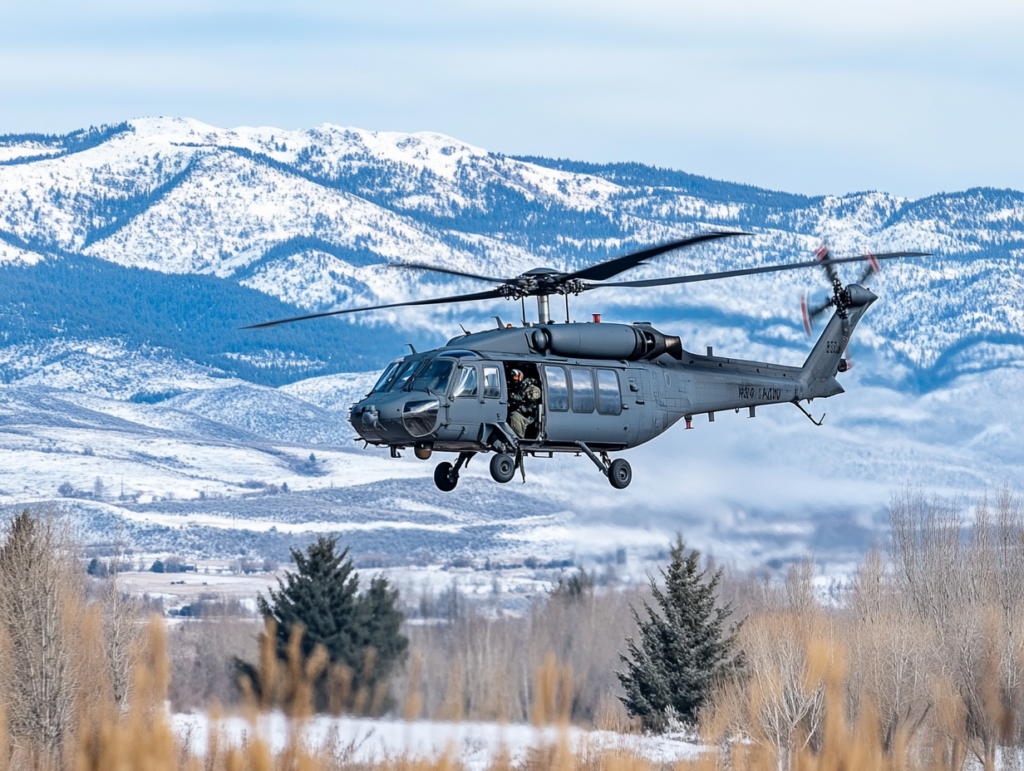
Maintaining supply lines in Afghanistan’s mountains was another significant challenge. The limited road network and rough terrain made it difficult to transport supplies, ammunition, and medical aid to forward-deployed units. Helicopters became the primary means of resupply, but the high altitudes reduced their lift capacity, limiting the amount of equipment and personnel that could be transported. Weather conditions in the mountains—such as sudden snowstorms, high winds, and low visibility—further complicated air operations. The need to sustain troops in remote, hard-to-access locations strained logistical capabilities and often required innovative solutions to ensure that soldiers had the necessary resources to continue their missions.
High-Altitude Combat and Acclimatization:
The high altitude itself presented physiological challenges for U.S. troops. Operating at elevations where the air is thin led to altitude sickness, which can cause headaches, dizziness, and fatigue, significantly reducing combat effectiveness. Soldiers needed time to acclimatize to the altitude, but this process could delay operations or require additional logistical support. The high-altitude environment also demanded greater physical endurance, as even basic tasks became more exhausting. The thin air affected everything from breathing to the accuracy of weapons, adding another layer of difficulty to combat operations.
Communication and Coordination Difficulties:
The mountainous terrain also interfered with communication systems. The peaks and valleys disrupted radio signals, making it difficult for units to maintain contact with each other and with command centers. This lack of reliable communication complicated coordination between ground forces, air support, and artillery, leading to delays in response times and increasing the risk of miscommunication during critical moments. The isolation of small units operating deep in the mountains also meant they had to be more self-reliant, often making decisions without immediate guidance from higher command.
Insurgent Tactics and Local Knowledge:
The local insurgent forces, particularly the Taliban, were adept at using the mountainous terrain to their advantage. With generations of experience living and fighting in these regions, they knew the terrain intimately and could navigate it with ease. They used this knowledge to establish fortified positions in caves, on ridges, and within narrow valleys, where they were difficult to dislodge. The U.S. Army often found itself fighting a hidden enemy that could strike quickly and then vanish into the mountains. The insurgents’ ability to blend in with the local population and use the terrain for cover made it extremely difficult for U.S. forces to maintain control over key areas.
In summary, the U.S. Army’s experience in the mountainous regions of Afghanistan underscored the immense challenges of fighting in such a harsh environment. The rugged terrain, high altitudes, logistical difficulties, communication issues, and the insurgents’ mastery of the landscape all combined to make controlling the land exceptionally challenging.
Despite these obstacles, the U.S. Army adapted its strategies and tactics, but the mountains of Afghanistan remained a formidable adversary throughout the conflict, highlighting the complexities of modern warfare in extreme environments.